The scariest part of planning a solo trip to Japan isn’t the language or the trains. It’s the quiet fear that you’ll spend two irreplaceable weeks doing the exact Tokyo, Kyoto, Osaka loop as everyone else, and come home with the same camera roll.
This is an honest guide to solo Japan travel for the independent traveler who wants more than the standard circuit. I lived in Japan for three years, in the Hokuriku region most people skip entirely, and I speak the language, so I can tell you what’s actually worth your days, where to go instead of the cliché route, and the specific traps that quietly ruin trips. No filler. Just the verdicts I’d give my own sister before she flew out.
What Independent Travelers Really Need to Know About Japan
Japan is the easiest hard country I’ve traveled and the hardest easy one. Everything works. The trains leave on the second, the streets are clean, nobody is going to run the fake-badge taxi hustle on you the way a guy tried on me outside an Istanbul airport at midnight. But the social layer runs on rules nobody writes down, and if you read them as coldness, you’ll spend the whole trip feeling like you’re doing something wrong.
My first taste of that was in Fukuoka, on day one, holding a cardboard sign because I was about to hitchhike across Kyushu. I stopped a man outside a convenience store and asked for directions in basic Japanese. He didn’t look up. Didn’t move. I stepped in front of him and asked again. Nothing. I stood there feeling like the ground had tilted, because I’d just come from Southeast Asia and Taiwan, where strangers treated each other like family. That reserve isn’t rudeness. It’s a different default. Japanese public life leans hard toward not imposing on strangers, and a foreigner speaking up in the street reads as an imposition until the situation clearly invites it. Once you stop expecting Japan to greet you the way a Western country would, it stops feeling cold and starts feeling calm.
Here are three small cues that will help you on your trip and make you feel like you belong instead of like you’re guessing. Here’s restaurant etiquette that travel guides don’t teach you. They’re too busy telling you not to mix wasabi into your soy sauce, which locals do actually do.
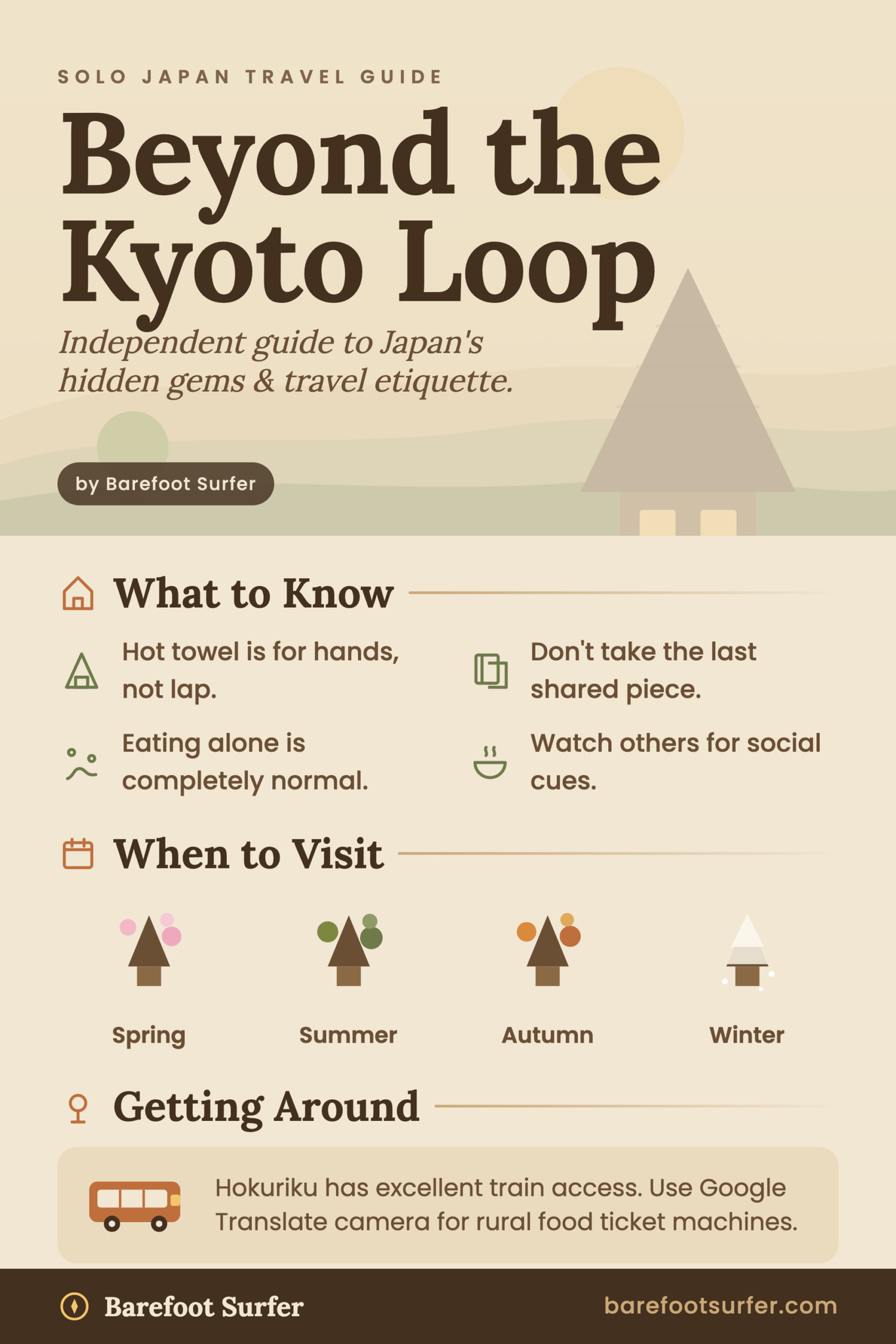
The hot towel is for your hands, not your lap. Sit down at most restaurants and you’ll get an oshibori, a rolled towel, often hot, either in a little plastic sleeve or on a small tray. We’re used to a napkin wrapped around utensils that you open and lay across your knees. This is not that. You wipe your hands with it, then fold it back roughly how it came and set it down on the tray or table. That’s the whole ritual. People always ask if they can wipe their face with it like they’re at a spa. I wouldn’t lead with it, but honestly nobody’s going to hate you for it either.
Don’t take the last piece. A lot of dining here runs family-style, big plates in the middle, everyone picking onto their own small plate. Eat with Japanese friends a few times and you’ll notice a pattern: there’s almost always one or two pieces left sitting on the shared plate that nobody touches. Reaching for the last piece without asking reads as a little greedy. Back home we’ve got the release valve for this, the “last piece, going once, going twice, anybody?” “Anyone want last piece before I take it?” Here, you mostly don’t hear that out loud, so when you say it, it can land a bit awkward. Just know the custom exists so the silence around that last gyoza doesn’t confuse you.
Is Japan Safe for Solo Explorers? (Yes, But…)
Japan is one of the safest countries in the world for solo travelers, including solo female travelers. Crime rates are very low, personal space is respected, and getting home alone late at night in most cities is genuinely a non-event. The real caveats aren’t about violent crime. They’re about a handful of nightlife districts built to separate tourists from their money.
I’ll be straight about the limit of my authority here. I’m not a woman, so I won’t pretend to know what the trip feels like from the inside. What I can tell you is what I watched over three years, including plenty of solo female friends and travelers moving through Japan. The pattern held. The danger almost never came from a dark street. It came from a guy on a nightlife corner in Tokyo saying he knew a great little bar. More on exactly which corners below, because that’s where the real “worth it vs skip” call lives.
Eating Alone in Japan: It’s a Feature, Not a Bug
Yes, eating alone in Japan is completely normal and often the intended design. Ramen counters, izakaya bar seats, standing soba shops, and solo booths exist precisely because a huge share of diners come in alone. Nobody will pity you or seat you awkwardly. This is a place built for the party of one.
I know this side cold, because I was on the other end of it, working the counter in a traditional Japanese restaurant, wine bar, and a pub. Solo diners aren’t a problem to manage here, they’re the baseline. Some ramen shops (Ichiran is the famous one) sit you in a single curtained booth so you never have to make eye contact with a soul. Most small places run on a food ticket machine (食券, shokken) by the door: put in cash, press the button for what you want, hand the little ticket to the staff or set it on the counter, and sit.
One heads-up that matters if you’re leaving the big cities. In Tokyo and Osaka, a lot of these machines are new and switch to English. Out in the countryside, where you’re actually going, that’s usually not the case. You’ll get an old machine with physical buttons and everything in Japanese. The fix is easy: open Google Translate, use the camera, point it at the buttons, and read the overlay. Get your ticket, sit down, done. It feels intimidating for about ten seconds and then never again.
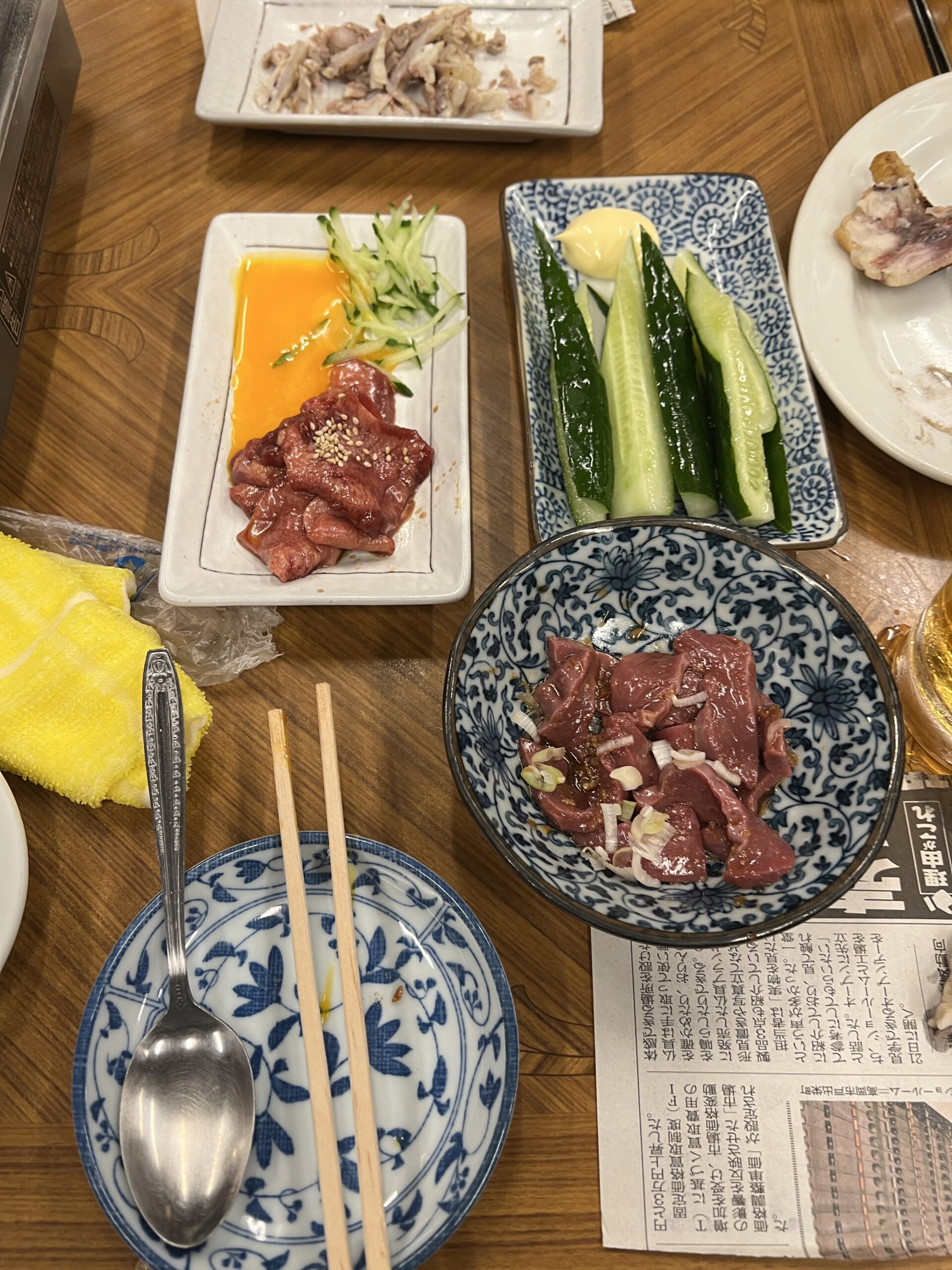
If you learn one habit, make it this: at a counter, watch the person next to you for two seconds before you do anything. Where they put their bag, how they hold the ticket, the quiet “gochisousama” on the way out. The whole etiquette is observable in real time. You don’t have to arrive knowing it.
You’ll pick up on small things that may not be obvious in your country. For example, many places have a small basket under your seat to put your bag in.
Moving Beyond the Kyoto Cliche: Regions Worth Your Independent Days
The best region for a genuinely independent Japan trip is Hokuriku, the Sea of Japan side that runs through Kanazawa, Toyama, and Fukui. For history and hiking, the Kiso Valley and the Nakasendo trail are the other strong call. Both give you the real thing without the wall-to-wall crowds of the golden route.
Here’s the honest math. Kyoto is spectacular and also, right now, slammed. If your whole trip is the standard loop, you’ll see beautiful things through the back of a hundred other phones, and you’ll come home with a trip that looks identical to your friends’. The regions below are where you get something that’s actually yours. Not harder, not roughing it, just less discovered and far better suited to moving at your own pace.
Why the Hokuriku Region is an Independent Traveler’s Secret Weapon
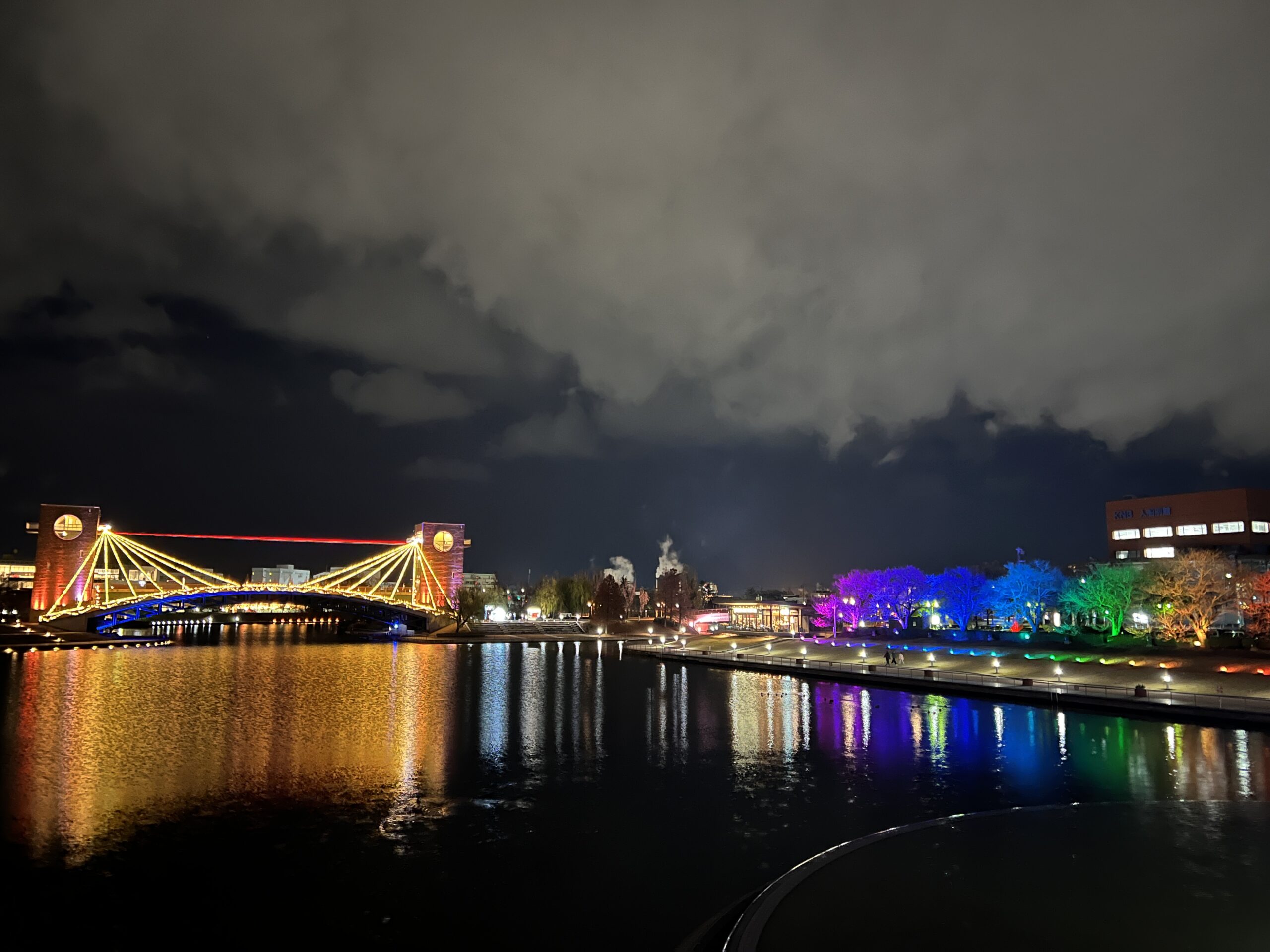
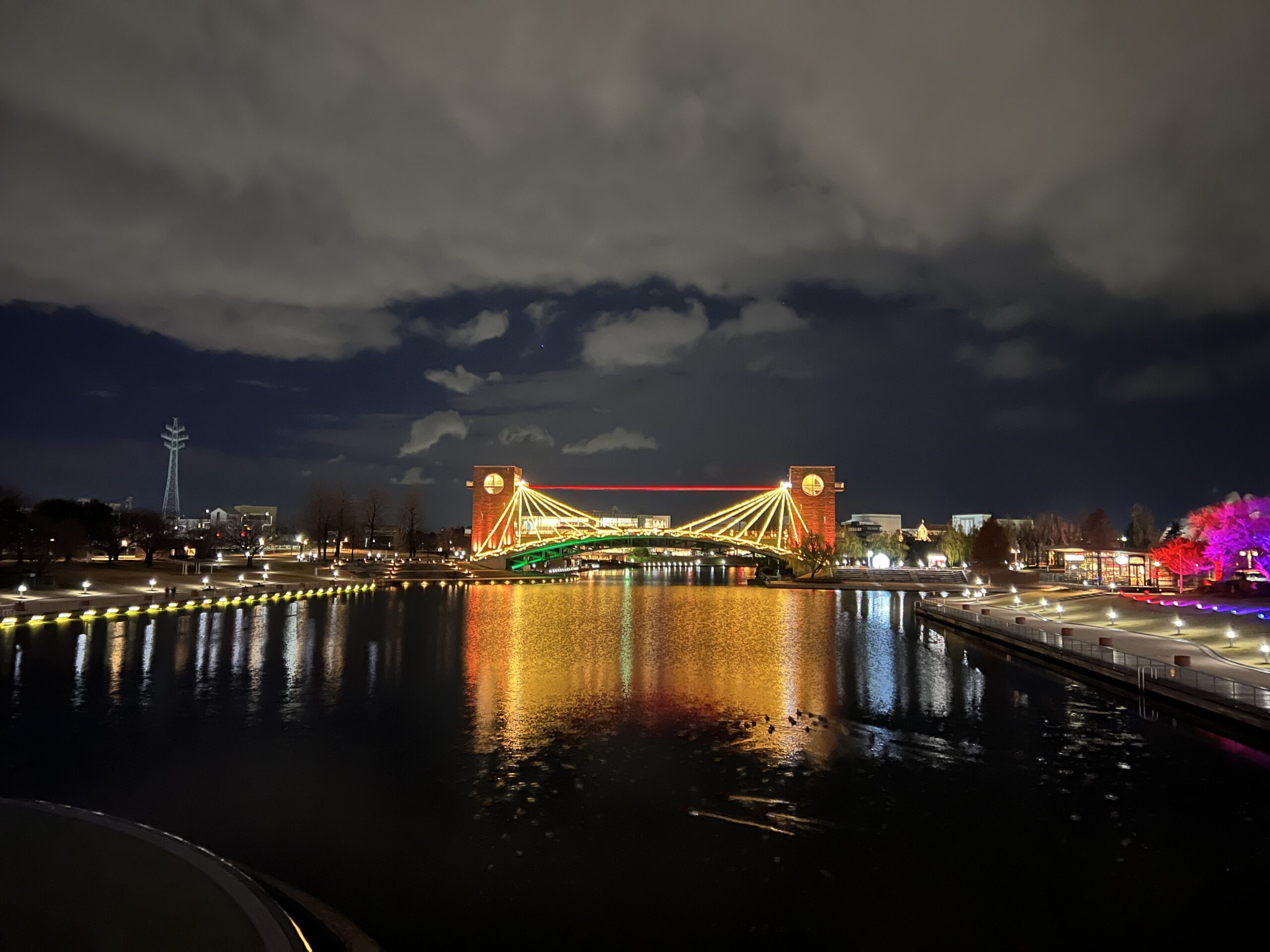
I’m biased here and I’ll own it. Hokuriku was my home. But the case is objective. Train access is now excellent, the food is some of the best in Japan, and the region gives a solo traveler a rare thing: control over your own volume. You can spend a day completely alone with mountains and a hot spring, then walk into a tiny bar that night and end up talking to the owner until it closes.
The food alone justifies the detour, and the first regional thing that truly got me was firefly squid (hotaru-ika) in Toyama. My coworkers from the restaurant took me out one night and put a plate of these tiny squid in front of me. They were so small I asked, straight-faced, if they were babies. Nope. Full-grown adults, just that species, and Toyama Bay is famous for them in spring. You get them with a little mustard-miso sauce, dip, bite, and the head just gushes, this warm, slightly gummy ooze. Some people love it, some people are horrified. I loved it. That night was also the moment I stopped being the new foreign guy and started being a coworker.
Pay attention to the seasons here, because Japan does seasonal in a way the States doesn’t. Back home the most seasonal thing we do is turn everything into pumpkin spice for two months. In Japan every season has its own food, and it’s everywhere. Spring brings cherry-blossom light beers and, yes, the firefly squid. Fall is sweet potato season, roasted and baked into everything. Summer is kakigori, shaved ice, and the classic local version is matcha syrup with sweet red bean on top. Eat with the calendar and you eat better. If you want to go deep on the squid and where to find it, I wrote a whole piece on firefly squid in Toyama.
What Hokuriku really taught me is that the region rewards showing up, not performing. Nobody’s selling you an experience. A few weeks in, a friend pulled me into a hot-pot dinner with a mix of locals, and that one night spidered out into an entire social life. My other ritual was smaller and just as real: biking down to the local onsen, sitting in the hot water for an hour, then writing in my journal on the way home. That’s Hokuriku. You just live in it for a few days.
#### Getting Around Hokuriku: Your Train Pass Strategy
This changed recently, and a lot of older articles are now flat wrong, so read this before you buy anything.
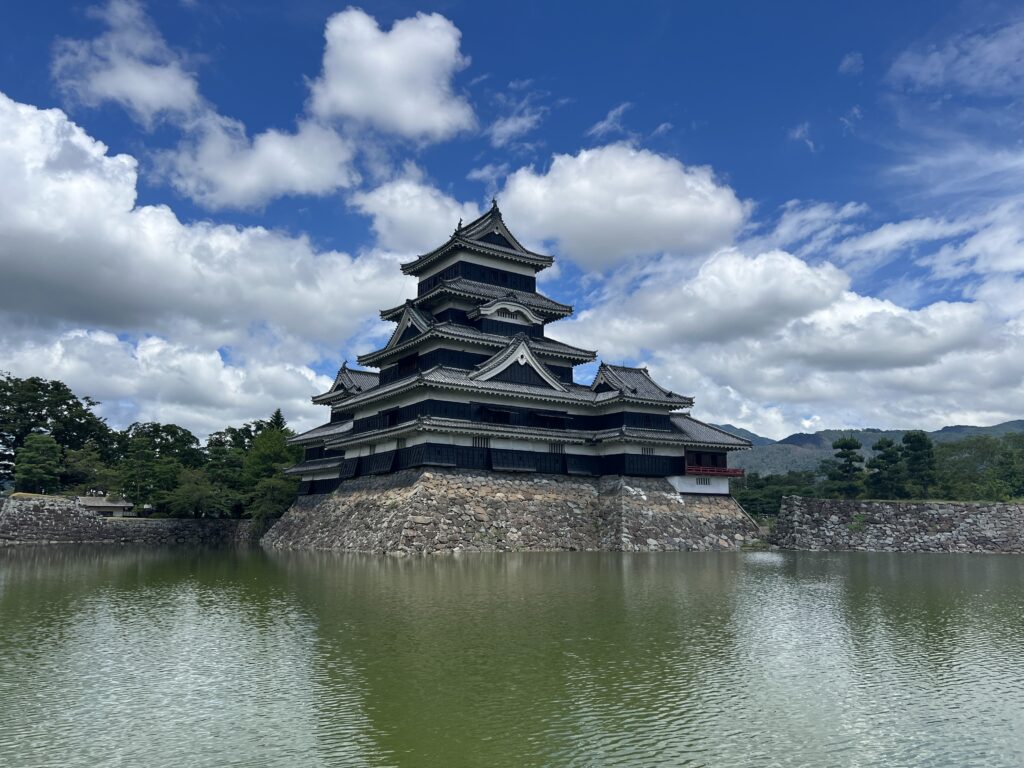
Since March 2024, the Hokuriku Shinkansen runs directly from Tokyo through Nagano to Toyama, Kanazawa, Fukui, and on to Tsuruga. Tokyo to Toyama is about 2 hours, Kanazawa about 2.5 hours. That direct bullet train from the capital is the single biggest reason Hokuriku is now easy for an independent traveler.
The catch is the other direction. Getting between Hokuriku and Kyoto or Osaka now requires a transfer at Tsuruga onto the Thunderbird limited express. The old direct train was cut when the line extended. And the local railway between Tsuruga and Kanazawa is no longer a JR line at all, it’s run by Hapi Line Fukui and IR Ishikawa Railway now, so a nationwide JR Pass won’t cover those local segments the way it once did.
On passes, here’s the verdict:
- The nationwide Japan Rail Pass (7-day, around ¥50,000) is usually not worth it for a Hokuriku-focused trip. It jumped roughly 70% in October 2023, and unless you’re crossing three or more regions at speed, individual tickets come out cheaper. (Overseas sellers are set to bump the 7-day pass to about ¥53,000 from October 2026, so verify the number when you book.)
- The Hokuriku Arch Pass (7 consecutive days, roughly ¥30,000) is the smart buy for one specific shape of trip: a loop that flies into Tokyo, runs through Hokuriku, and out via Kyoto or Osaka. It covers the Hokuriku Shinkansen (not the Tokaido Shinkansen) plus airport access on both ends. On a one-way trip it doesn’t pay off. This pass revised its price and coverage in March 2026, so check the current figure before you commit.
- For everything else, just tap an IC card (Suica or Pasmo) for local rides and buy individual Shinkansen tickets. Less romantic, usually cheaper.
[INTERNAL LINK PLACEHOLDER: link to a dedicated “Mastering Japan’s Rail System” or “Hokuriku Arch Pass: Is It Worth Your Yen?” article once it exists. Neither is in the site index yet.]
#### What to Actually Do in Hokuriku (Beyond the Guidebook)
I’ll give you the contrarian version, because it’s the true one: Hokuriku is about the nature, not the checklist of city sights. Kanazawa is a genuinely chill city and worth a day, but if you treat this region as a list of museums to tick, you’re missing the whole point. The best thing you can do here is get into the mountains and the water.
Start with the train itself. The ride from Toyama down to Takayama is one of my favorite local train rides anywhere in the world, winding up through the Hida gorge along the river. Worth knowing before you plan around it: this Toyama to Takayama stretch was suspended for months and only reopened on May 30, 2026, so plenty of sites still list it as closed. Take the Hokuriku Shinkansen to Toyama, then the Hida limited express up to Takayama, roughly 90 minutes of the good stuff. My full Takayama guide covers the town at the end of it.
The rest of my nature-first list:
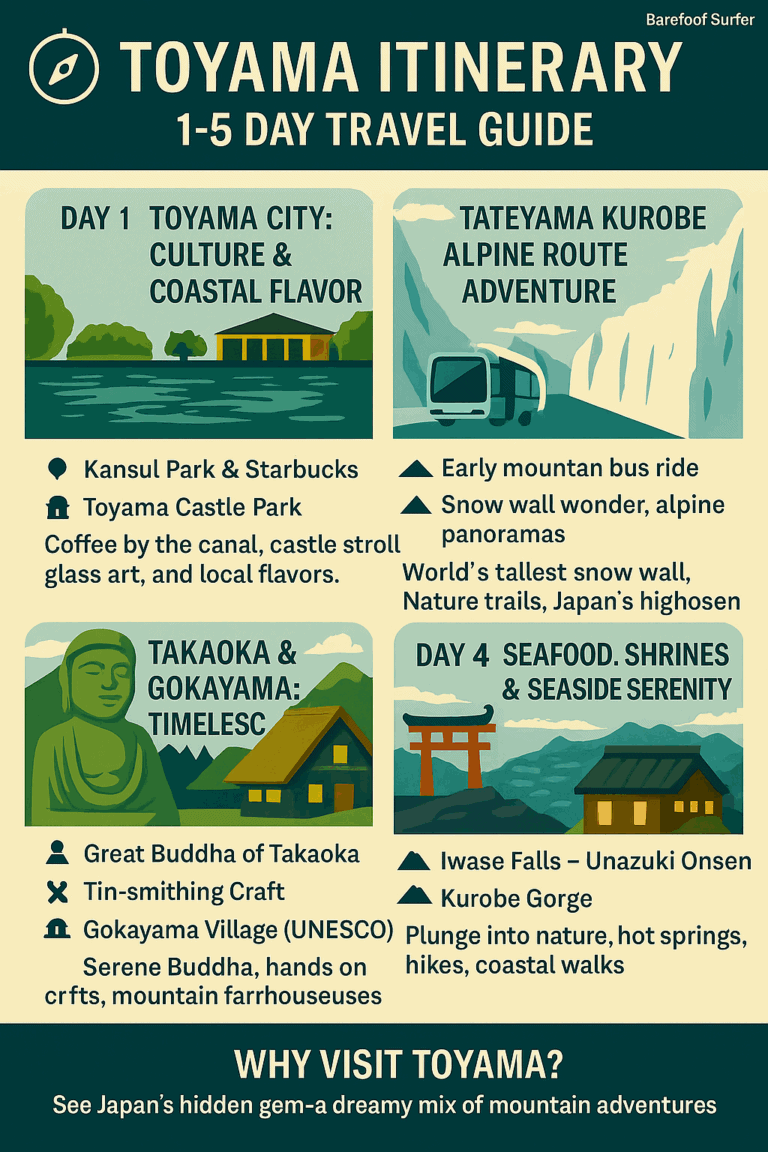
- The Tateyama Kurobe Alpine Route (Toyama). Worth it in season for the snow corridor and the high mountains. Check the operating dates, it’s closed for winter and shoulder seasons.
- Road-tripping toward Nagano and the surrounding mountains. Worth it if you can get wheels. Waterfalls, hills, empty roads. Even without a car, public transport will get you up into the mountains from Toyama.
- Gokayama gassho-zukuri villages (Toyama). Worth it, and quieter than Shirakawa-go. Steep thatched-roof farmhouses in a valley. The tour buses pile into the more famous Shirakawa-go next door, which leaves Gokayama with the same architecture and a fraction of the crowd.
- Kenrokuen garden (Kanazawa). Maybe Worth it, but only early. It’s one of Japan’s three great gardens and it earns that at opening or during the evening illuminations. Midday it’s a slow shuffle of tour groups. I personally think it’s nothing special to go out of your way for though.
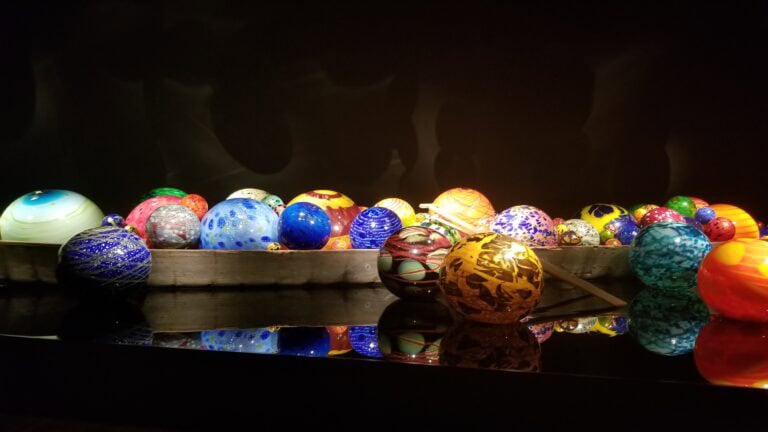
- Toyama Glass Art Museum. Worth it. A genuinely cool building and collection, and an easy indoor call if the weather turns.
One souvenir I actually kept, and still have on a shelf here in Da Nang, is a sarubobo, the little faceless good-luck dolls from the Hida and Gifu area around Takayama. They come in different colors for different wishes, they’re nicely made, and the ones sold in the touristy spots are usually handmade. In a society this honest about that kind of claim, I’m inclined to believe it. It’s the sort of small, real thing this region is full of if you slow down enough to notice it.
Kiso Valley and the Nakasendo Trail: Step Back in Time
I’m going to level with you on this one, because it’s the whole reason you’d trust me on the rest. I have not walked the Nakasendo myself. I lived one region over, but I never made it into the Kiso Valley, and I’m not going to dress up someone else’s blog post as my own memory. What I can do is hand you the honest logistics I’d give a friend, and I’ll come back and rewrite this the day I’ve actually hiked it.
The Nakasendo was one of the old roads connecting Edo (Tokyo) and Kyoto. The most walked, best preserved stretch runs between two Edo-era post towns, Magome and Tsumago. Here’s what you need:
- The Magome to Tsumago walk is about 8 km and takes 2.5 to 3 hours at an easy pace. It’s rated easy to moderate and signposted in English and Japanese, so you will not get lost.
- Walk from Magome to Tsumago, not the reverse. That direction is more downhill and easier on the legs.
- Use the luggage forwarding service. The town information centres move a bag between Magome and Tsumago for about ¥500 per item. Drop it by late morning, pick it up at the other end in the afternoon. This is the single best logistics hack for the trail and most people don’t know it exists.
- Ring the bear bells posted along the path. They’re there for a reason.
- Access is via Nakatsugawa or Nagiso stations (Shinano limited express from Nagoya) plus a short bus. It’s very doable as a day trip from Nagoya or Matsumoto.
- Winter (roughly December to February) can be icy, and some guided walks pause, so plan around it.
The one honest caveat I can give secondhand but confidently: this stretch is popular now. It is not a secret path you’ll have to yourself. If you want the quiet, atmospheric version, walk early in the morning before the day-trip buses arrive, or stay overnight in Tsumago and have the village to yourself after the crowds leave.
[INTERNAL LINK PLACEHOLDER: link to a future “Nakasendo Trail: What You Need to Know Before You Hike” article. Not in the site index yet.]
Avoiding Common Independent Traveler Traps in Japan
Most trip-ruining mistakes in Japan aren’t dramatic. They’re a wasted evening, an overpriced tourist bar, a day burned figuring out something with a simple answer. Here are the two that catch the most people.
Nightlife Pitfalls: Where Men (and Women) Often Get it Wrong
First, reset your expectations, because Japan is not dive-bar culture the way the US is. The best bars here are tiny, upscale-looking rooms with a single countertop and maybe four or five seats. The bartender is usually the owner, often running the whole place with just his wife, and each bar has its own specialty. Toyama is full of them, and I worked my way through a good number.
My favorite was a rock bar, same tiny sit-down setup: four seats at the counter, one little round table for two in the back, and a stage barely big enough to squeeze a couple of musicians onto. They ran live sets some nights. But here’s the detail that tells you everything about what “authentic” nightlife actually means in Japan. Where most bars stack bottles behind the counter, this guy stacked his music collection, CDs and tapes across every genre. You could say, “play me something like this, but with a different twang,” and if he knew exactly where it was, he’d pull the disc, drop it on, and just talk with you and his wife for the rest of the night. The place wasn’t really about the alcohol at all. That door only opened because a local friend walked me through it, and that’s the rule: the genuinely good bars are found through a person, not a sign in English.
So, the practical verdict for Tokyo, where you’ll actually be:
- Shinjuku Golden Gai: worth a look, with expectations set. A warren of miniature bars, some tourist-friendly, some not. Many charge a seating or cover charge (often ¥500 to ¥1,500), so ask before you sit. It’s atmospheric and real, just not free.
- Roppongi: skip it. This is the district built to relieve foreigners of money. Touts on the street, inflated bills, occasional drink-tab scams.
- Kabukicho: skip the tout-led bars entirely. If a friendly guy on the street is walking you toward a bar, that’s the trap. The “one drink” that becomes a ¥50,000 bill is a documented, recurring scam here.
The rule that keeps you safe and gets you the good version: never follow a street tout, and treat a local friend as the actual key to real nightlife. And don’t expect big-club energy out in the countryside. That’s not what it’s for.
The Language Barrier: How Much Japanese Do You Really Need?
You do not need to speak Japanese to travel Japan solo. In tourist areas most signs include English, the train systems are navigable, and a translation app covers most gaps. A handful of polite phrases plus Google Translate’s camera will carry you comfortably, and they matter more the further you get from the big cities.
I can speak to this from both ends. I hitchhiked across Kyushu with barely enough Japanese to buy a train ticket, standing on the roadside with a handmade cardboard sign, working out the whole country by trial and error. Later I lived there three years and got conversational. Here’s the honest truth from the gap between those two states: the jump from zero Japanese to a little is enormous. The jump from a little to fluent barely matters for a trip.
Learn hello, thank you, excuse me, “this one please,” and the numbers. Download the offline Japanese pack in Google Translate and use the camera to read menus and signs. Point, smile, be patient. That’s it. The travelers who struggle aren’t the ones with weak Japanese, they’re the ones who freeze up and won’t try. Willingness beats vocabulary every single time.
The Verdict, and Where to Start
For a solo trip to Japan that actually feels like yours, the move is to skip the reflex loop and build your days around Hokuriku, the Kiso Valley, or both. You lose nothing in comfort or safety. You gain a trip that doesn’t look like everyone else’s, in regions built for going at your own pace. You genuinely can have a deeply real, comfortable, independent experience in Japan. You just have to know where to point yourself and what to walk past.
The best first move is to lock your base. Once you’ve chosen a Hokuriku town to anchor a few nights, book a place with free cancellation, so you can hold a great room now while you finish planning and change it later with zero pressure. That’s not a sales trick, it’s just how I’d do it myself.
Find a place to stay in Kanazawa or Toyama on Booking.com →
And if you’re setting the trip up properly, get the money side right before you fly. A good travel rewards card can cover a real chunk of these flights in points. My full travel credit card points guide breaks down exactly how I do it.
You’ve got the insights now. Go build the trip that’s actually yours.