Kanazawa: How Many Days Do You Really Need to Find Your Footing?
Figuring out your Kanazawa itinerary? Learn how many days to genuinely experience it from a nomad who lived nearby in Japan.
For three years Kanazawa was the big city I escaped to when Toyama got too quiet, and I still don’t think most people give it enough time.
If you’re trying to figure out how many days in Kanazawa you actually need, this guide gives you the straight answer plus a full Kanazawa itinerary broken down by one, two, and three days.
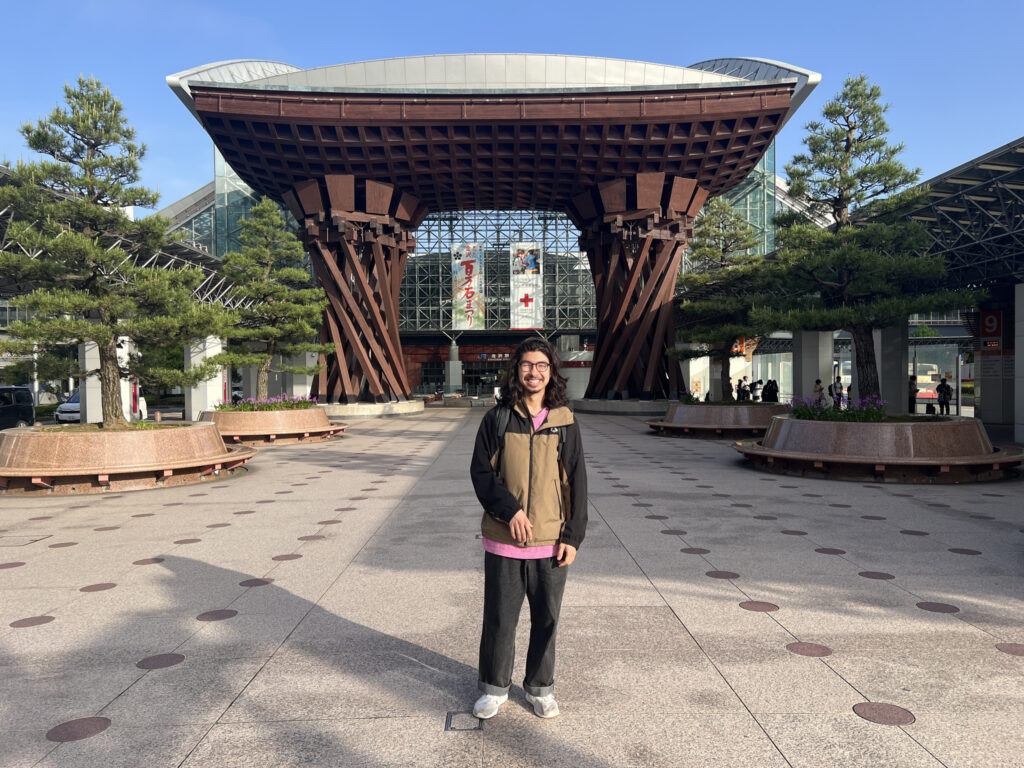
I lived twenty minutes away by train in the Hokuriku region, so this is not a list I pulled off a ranking site. It’s the city I knew on weekdays in the rain, not just the postcard version. By the end you’ll know exactly how long to stay, what to actually do, what to skip, and how to do all of it cheaply.
[For the best overview of Kanazawa including how to get there, best season, and more tips for first time visitors, read this Kanazawa guide]
For the full, in-depth Itinerary, keep reading this article.
And if you are using the trainline to Kanazawa between Kyoto / Osaka and Tokyo, consider stopping by Toyama, Japan for the best seafood, and some great nature all within a small city!
[Read the Toyama Vs Kanazawa article here]
[Read the Toyama Full Guide Here]
Introduction: Finding Your Way in the Land of Gold
Kanazawa means something close to “marsh of gold.” The city still makes most of Japan’s gold leaf, and you’ll see it on everything from temple roofs to soft serve. But the gold isn’t the point. The point is that Kanazawa got skipped by the bombs in WWII, so the old city is still standing. Samurai streets. Geisha teahouses. A garden that took five generations of lords to finish. You walk through it and the past is just there, not behind glass.
I came to it sideways. I wasn’t a tourist with a week and a checklist. I was a guy living one prefecture over, working in a restaurant where the boss yelled at me every shift, riding out grey winters that felt like they’d never end. Kanazawa was where I went to remember there was a wider world fifteen minutes up the line. That’s the lens I’m writing through. Not “see these nine things.” More like, here’s a city that’s good for figuring out what you’re doing with your life, and here’s how long that takes.
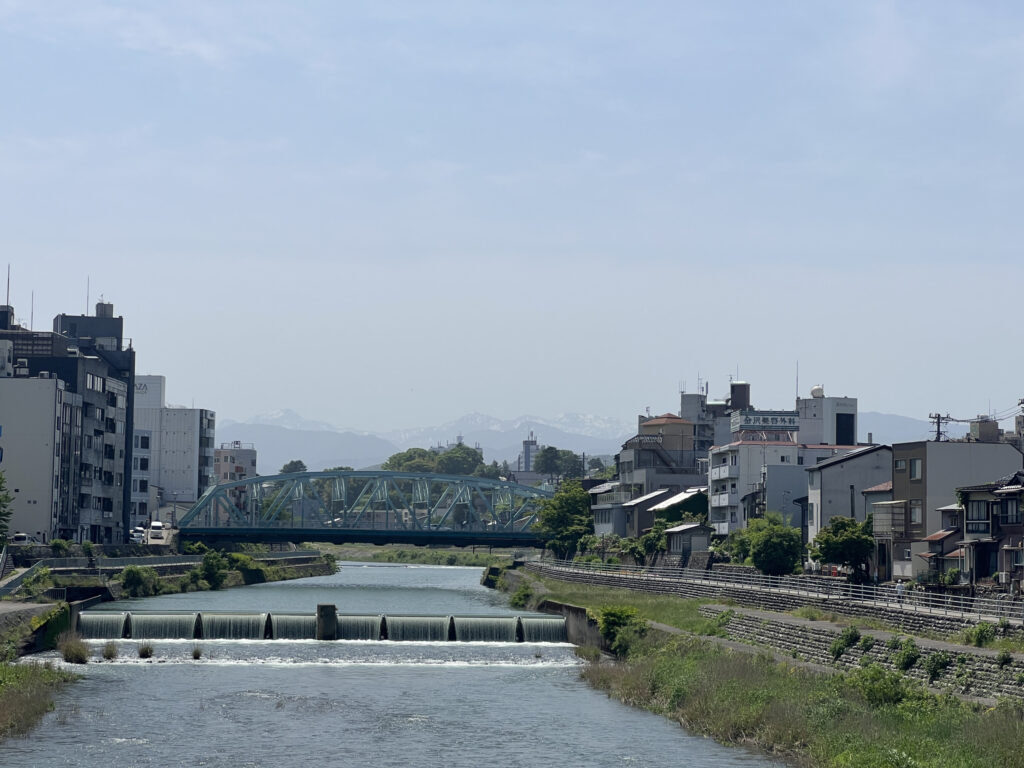
Those Toyama winters were the greyest I’ve ever lived through. Weeks of low cloud, no sun, me in bed watching shorts at 2pm knowing exactly what I should be doing and not doing it. When it got bad enough, I’d get on a train. Twenty minutes later I’d step out at Kanazawa Station under that giant wooden gate and the city would be moving, people everywhere, somewhere new to walk. That was the whole medicine. Not a therapist. A train ticket and a different set of streets.
So, How Many Days Do You Actually Need in Kanazawa? (The Straight Talk)
For a true feel of Kanazawa beyond just the major sights, plan for 2 to 3 days. That gives you enough time to walk the main districts, eat well, and still have unscheduled hours to sit by a river or get lost on purpose. One day works if it has to. Four is generous and great if you want to slow all the way down.
Here’s where I disagree with most guides. They’ll tell you Kanazawa is a “one day stop” on the way from Tokyo to Kyoto. That’s the worst possible way to see it. The entire reason to come here instead of Kyoto is that Kanazawa lets you breathe. Kyoto in spring is a crowd you’re shuffling inside of. Kanazawa, even on a good weekend, has room. If you give it one rushed day, you turn it into a smaller, slower Kyoto, which defeats the point. Two days is the floor for getting it. Three is where it gets good.
Living in the Hokuriku region for three years taught me something the day-trippers never find out. The whole reason the region is good is that it makes you slow down. People blow through in four hours so they can say they saw it, then wonder why it didn’t land. You can’t speed-run a place whose entire value is that it isn’t in a hurry. The locals aren’t. The garden took 150 years. Match the pace or don’t bother.
One Day: Just Dipping Your Toes In
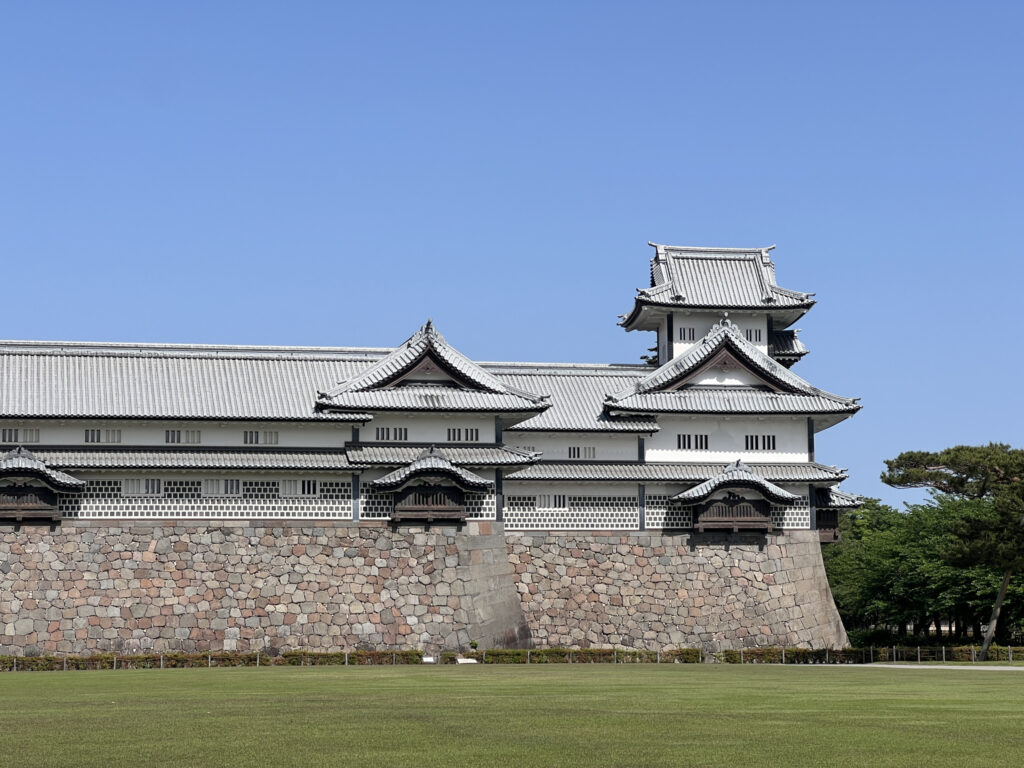
If you only have one day, hit the essentials: Kenrokuen Garden, Kanazawa Castle Park next door, and one of the two old districts, either Nagamachi or Higashi Chaya. Grab a fresh lunch at Omicho Market to fuel up. It’s a whirlwind, but you’ll catch the city’s core.
Do not try to see everything. That’s the rookie move and I made the equivalent of it in Rome, walking eight hours straight until my ankle gave out and I was peg-legging through the Pantheon. You don’t earn a city by exhausting yourself in it. Pick three things, walk slow, and let the fourth thing go. Start at Kenrokuen right at opening, around 7am in summer, before the buses arrive. You’ll have one of Japan’s great gardens nearly to yourself for an hour. That hour is worth more than the whole rest of the day.
That Rome day taught me the hard way. I started walking at sunrise and just kept going, churches, courtyards, the Pantheon, the Spanish Steps, all of it free, all of it on foot. By noon my left ankle had quit and I was peg-legging down to a square where I sat on a step and wrote in my journal because I physically couldn’t stand anymore. I saw an enormous amount that day. I remember almost none of it clearly because I was too wrecked to feel any of it. Three things, slow. That’s the move.
Two Days: Starting to Feel the Current
Two days is where Kanazawa opens up. Day one for the heavy hitters: Kenrokuen, the castle, Higashi Chaya. Day two for the slower stuff: Nagamachi, Omicho at a relaxed pace, the 21st Century Museum, and a long walk along one of the rivers with no agenda at all. Build the second day to be half-empty. The empty half is the part you’ll remember.
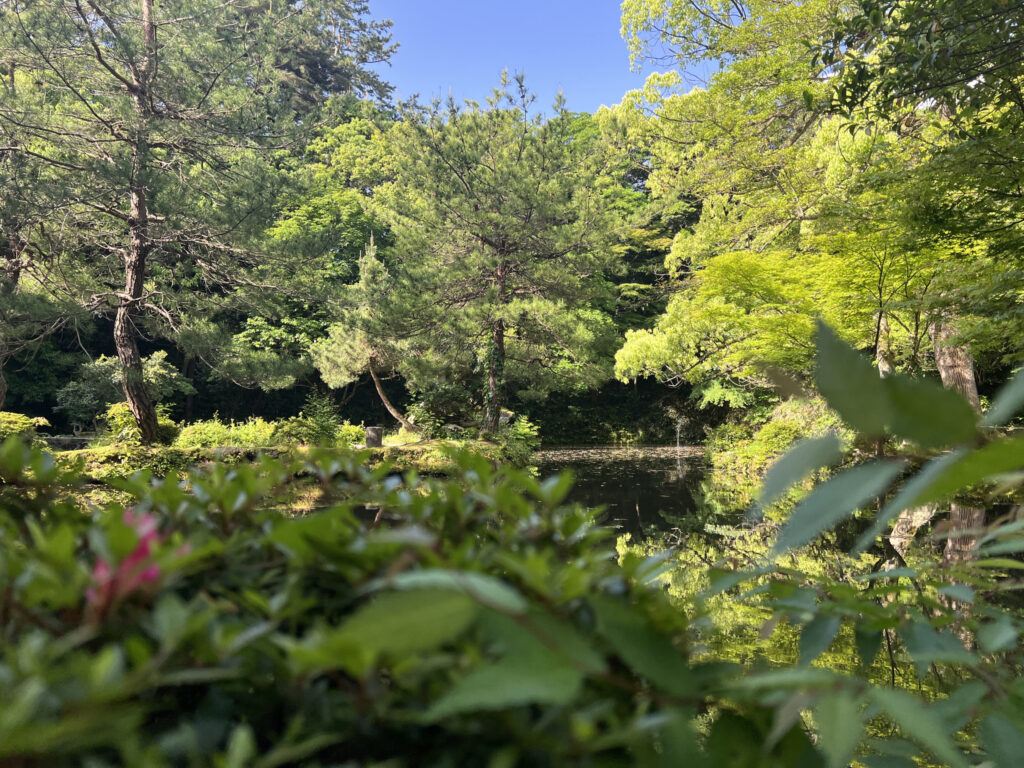
The trick with two days is to stop “looking at” things and start being somewhere. Sit in a teahouse. Order the matcha. Watch how the locals move. The first day you’re a visitor collecting sights. The second day you can start to feel the rhythm of the place, what time the shops open, when the light hits the canals in Nagamachi, where the old men go to drink. That shift from looking to feeling is the whole reason to add the second day.
A friend came to visit me once and I brought him over to Kanazawa for the day. We did a bit of the sightseeing, then just walked down the river chatting about nothing in particular and stumbled onto an onsen we didn’t even know was there. Found a supermarket right next to it, grabbed some snacks, and had a picnic by the water. That afternoon, not the castle and not the garden, is the part we both still talk about. This is what you actually come here for. Do the sights, sure. Then stop, find some water, and breathe for a minute.
Three Days (or More): Surfing the Kanazawa Vibe
Three days is when you stop being a tourist. Use the third day for the spots almost nobody puts on a one-day list: the D.T. Suzuki Museum for an hour of actual stillness, the Nagamachi Yuzen craft workshops, a slow morning by the Sai or Asano river, and a day trip out to Toyama if you’ve got the legs for it. No itinerary. Just movement.
This is the version of the trip I’d want for my own brother. Not the speed run. The kind where you wake up with no plan, walk somewhere, sit somewhere, think, and let the day carry you like a wave you don’t need to fight. Most people can’t do this. They get antsy without a checklist. But if you’re traveling to actually find something, and not just to run away from something back home, this is where it happens. A slow third day in a quiet city does more for your head than a week of jamming sights.
Most people book a trip to run from something. The ones who come back different went looking for something instead. I wrote in my journal after my big trip ended that travel was never going to help me escape anything, that I could get what I actually wanted from anywhere in the world. That sounds bleak. It’s the opposite. It means the slow, aimless third day, the one where you walk and sit and do nothing impressive, is doing more for you than the packed itinerary ever could. Don’t skip it just because it doesn’t look productive.
Getting a Feel for Kanazawa’s Core (What to Actually Do)
These are the things worth your time. Not a checklist to clear. A set of places that each give you something different, history, stillness, food, a jolt to your brain. Take them at your own pace.
I learn a new city with my feet first. Walk it before you figure out the buses, find the nearest grocery store, read the current of the place before you start paddling. Plans can come after you actually know where you are.
Kenrokuen and Kanazawa Castle: More Than Just Pretty Gardens
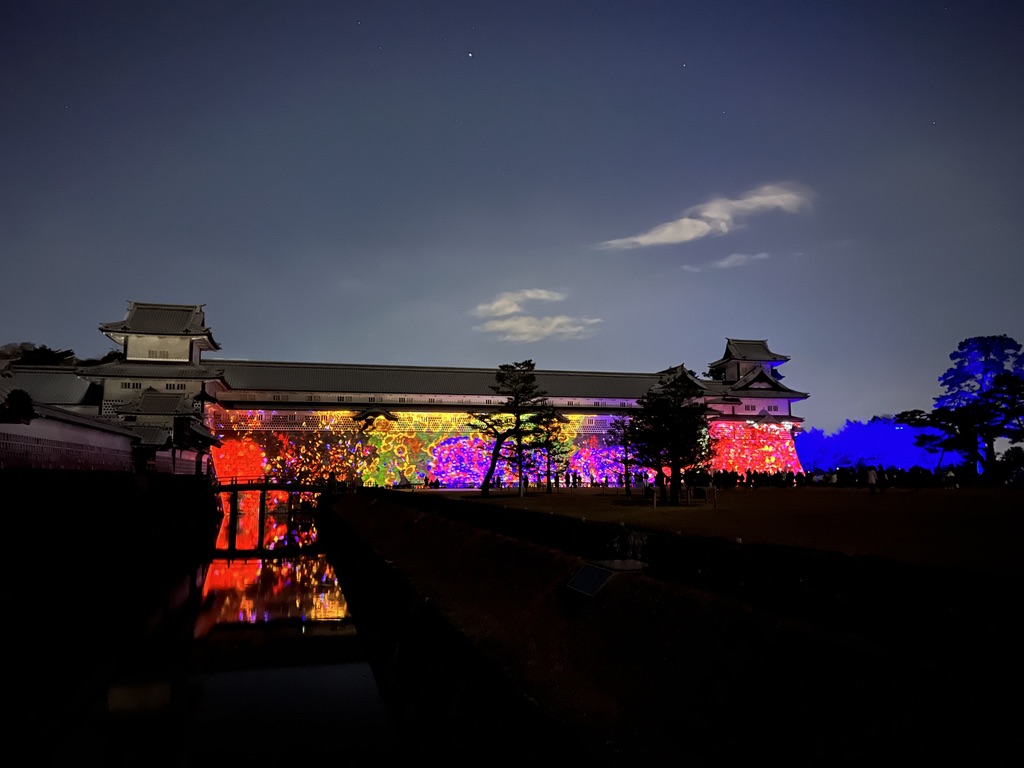
Kenrokuen is considered one of Japan’s three great gardens, and it earns it. It took the Maeda lords over 150 years to build. Kanazawa Castle Park sits right next to it, so you do them together in one go. Admission to Kenrokuen is around 320 yen, the castle park grounds are free. Go early or go near closing. Midday is when the tour buses turn it into a slow shuffle.
Here’s the thing nobody tells you. A garden like this isn’t built to be photographed, it’s built to be sat in. The five generations who made it weren’t chasing a view. They were making a place to think. The first time I really got it, I stopped trying to walk the whole loop and just sat by the pond for twenty minutes. The garden does its work on you when you stop moving. Same as a long soak in an onsen. You don’t do anything. You just let it sort you out.
Back in Toyama I had a ritual. Bike down to the local onsen, sit in the hot water for the better part of an hour, get out, and write in my journal while my head was still quiet. Some of the clearest thinking I ever did happened in the ten minutes after an onsen. A garden like Kenrokuen works the same way if you let it. Find a bench by the pond, put the phone away, give it twenty minutes of doing nothing. The point was never the photo. It’s what happens in your head when you finally stop moving.
Nagamachi Samurai District: Walking Through Echoes of the Past
Nagamachi is where the samurai lived, and the earthen walls and narrow lanes are still standing. A small canal runs through it. You can walk into the Nomura Family residence and see a preserved samurai home with its own little garden. It’s free to wander the streets, and the Nomura house is around 550 yen if you want to go in.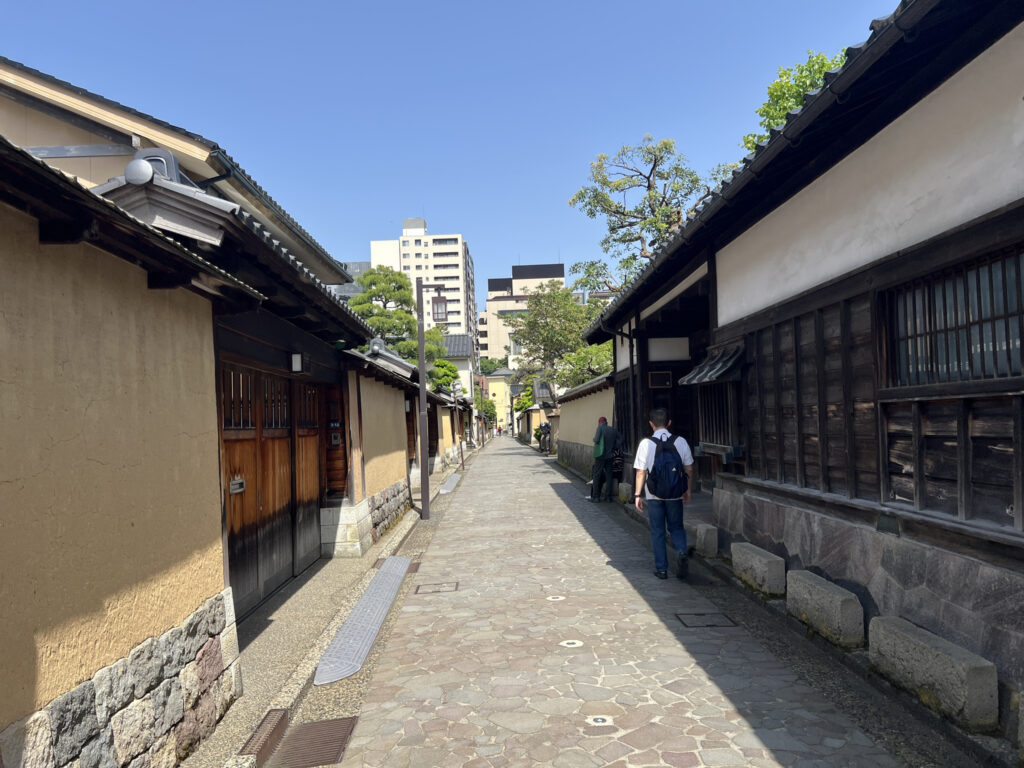
Walk it in the morning before the crowds. The whole point of Nagamachi is the atmosphere, the way the light comes down the walls, the quiet. It’s not a “sight” you tick off in ten minutes. It’s a place you move through slowly and let it put you somewhere else in time. Reminds me of getting lost in the back lanes of an old European city, where the magic was never the famous square, it was the residential streets you wandered into by accident with no one else around.
In Venice I spent twenty minutes hunting for a bathroom that didn’t rob me, ended up changing a 50 just to pay 1.50 to pee, and only after that, bladder finally empty, did I actually wander. The wandering was the best part. Not the famous piazza with the crowd and the pigeons. The empty back canals where regular people had laundry hanging out and the maze made no sense at all. Nagamachi is like that. The samurai house is fine. The quiet lane you take a wrong turn down is the part you’ll remember.
Higashi Chaya District: Old Japan, Still Breathing
Higashi Chaya is the largest of Kanazawa’s old geisha districts, rows of wooden teahouses with latticed fronts, some over 200 years old. A few are open to visit. You can step into Shima or Kaikaro teahouse for around 500 to 750 yen, or just walk the main street for free. This is also gold leaf central, so yes, you’ll see the gold leaf soft serve. Get it once. It tastes like vanilla and costs too much, but it’s part of the deal.
What I like about Higashi Chaya is that it’s not a museum. Geisha still work here. It’s old Japan that’s still breathing, not preserved behind a rope. Go in the late afternoon when the day-trippers thin out and the lanterns start to matter. The photogenic stuff is fine. The better move is to find a quiet teahouse, order matcha and a sweet, and sit. Watching how a place actually works beats photographing how it looks every time.
I worked in a traditional restaurant in Toyama under a boss who yelled at us every single shift. For months I took it personally. Then I figured out he wasn’t cruel, he just cared more about the work being done right than about anybody’s feelings, his own included. One day I broke a whole stack of bowls and braced to get fired. He laughed and told me not to break the new ones. The places in Japan that hold onto tradition do it because people take the craft dead seriously, not because it photographs well. A geisha district still exists because somebody decided it was worth the discipline. Respect that before you judge it.
Omicho Market: The Real Pulse of the City
Omicho Market has been Kanazawa’s kitchen for nearly 300 years, around 180 shops of seafood, produce, and street food under one roof. This is the spot for the fresh stuff Kanazawa is known for, crab in winter, sweet shrimp, sea urchin, the famous seafood rice bowls called kaisendon. A good kaisendon runs you 1,500 to 3,000 yen depending on how loaded it is.
Don’t just eat and leave. A market is the one place you see a Japanese city actually living, not performing for tourists. Watch the old vendors who’ve been at the same stall for forty years. Watch the locals doing their actual shopping. I learned more about how a country works from standing in markets and convenience stores than from any temple. The temple tells you what people used to believe. The market tells you how they live right now.
First night in Istanbul I walked into a packed donner shop, got to the front, and said “menu 1.” The guy fired something back in Turkish I had no hope of understanding. I just repeated “menu 1.” Finally he half-shouted, “NO, what do you want to DRINK?” I panicked and said cola, sat down, looked around, and realized everyone else was drinking Ayran, the yogurt thing, and I’d outed myself as a clueless tourist in one move. Total cost, about $3.40. Best fast food of the trip. You learn a food scene by walking into it and getting it slightly wrong. Omicho rewards the same approach. Point at something, find out what it is after.
21st Century Museum of Contemporary Art: Shifting Your Perspective
A round glass building with no front or back, designed so you can wander in from any direction. The famous piece is Leandro Erlich’s swimming pool, where people stand at the bottom of what looks like a full pool and look up at you through the water. Some of the museum is free to walk through, the special exhibits charge admission, usually 1,000 to 1,800 yen.
I’ll be honest, I’m not a museum guy by default. But this one isn’t about looking at art on a wall, it’s built to mess with how you see. After three years of routine in a small Japanese city, walking into a building that has no clear front and a pool you can stand inside was exactly the kind of jolt I needed. When I came back from eight months on the road I crashed hard, same town, same routine, a voice telling me I’d never feel that alive again. What pulled me out wasn’t more thinking. It was anything that broke the pattern. A new place, a hard workout, a building with no door. When you’re stuck, more information rarely helps. A jolt does. This place is a cheap, easy jolt.
Beyond the Tourist Trail: Deeper Dives in Kanazawa
This is the stuff that fills a third day and separates the people who saw Kanazawa from the people who felt it. None of it is on a rushed itinerary. All of it is worth your time if you have it.
In Taiwan I bought my first tent and hitchhiked the island clockwise, camping for nine days with almost no Mandarin. The east coast, where the mountains drop straight into the sea, was one of the most beautiful things I saw the whole trip, and I only saw it because I wasn’t rushing to the next stamp. Staying somewhere long enough to get past the highlights is where the real stuff lives. Same goes for Kanazawa.
Exploring Nagamachi Yuzen Kan: A Taste of Local Craftsmanship
Kaga Yuzen is Kanazawa’s traditional silk dyeing, all hand-painted, deep colors, incredibly detailed. At the Nagamachi Yuzen Kan you can see the process up close and even try a small dyeing or gold-leaf workshop, usually in the 1,000 to 2,500 yen range. It’s hands-on, which is what makes it stick.
Doing a thing with your hands beats watching it every single time. I’d put a craft workshop over another temple any day. There’s something about making even a small ugly version of a thing that’s taken someone forty years to master, it gives you respect for the skill in a way that just looking never will. Mamoru, the artist I lived with in Toyama, drilled this into me without ever saying it directly.
He told me once on a long drive through the countryside, it doesn’t matter what you do, it transfers.
Messi could have been good at golf instead of soccer. As long as you go hard at something, the skill carries over to whatever comes next. I’d been tangled up about whether I’d picked the right path. That one line cut it loose. Sit down at a Yuzen workshop and make one lopsided, bad dyed cloth, and you’ll feel the forty years of skill behind the guy teaching you. That respect is the souvenir, not the cloth.
D.T. Suzuki Museum: Finding Stillness and Thought
D.T. Suzuki was the Kanazawa-born thinker who brought Zen Buddhism to the West. His museum is small, mostly empty on purpose, built around a water mirror garden where you sit and do nothing. Admission is around 310 yen. There’s almost nothing to “see.” That’s the entire design.
This was my favorite quiet spot in the city and I’m not even into museums. You sit on a bench facing a flat pool of water and you’re supposed to just be there. No phone. No checklist. For a guy who spent half his life fighting the urge to scroll, sitting in a room built for stillness was uncomfortable for about four minutes and then exactly what I needed. If you’re traveling because you’re trying to figure something out, this is the most useful 310 yen you’ll spend in Kanazawa. Bring your journal. Sit. Let the noise drain out.
Somewhere in Vietnam I sat with Buddhist monks who taught me how they meditate, and the core of it stuck. Everything is impermanent, everything is already connected, all of it is on loan from the universe for a while. When I felt lost in Japan I’d come back to that, sit outside for ten minutes, and let it all be temporary. Journaling does the same job for me. It’s how I talk to myself when my head won’t shut up. The Suzuki museum is basically a room built for that. You won’t find answers on the wall. You’ll find a quiet enough place to hear your own.
Sai River & Asanogawa River: Just Walking, Thinking, Being
Kanazawa sits between two rivers, the Sai to the south and the Asano to the north, and walking either one costs nothing. The Asano is the gentler, prettier one, lined with old houses and close to Higashi Chaya. The Sai is wider and more open. Both have paths. Both are nearly empty of tourists.
Some of the best hours I’ve had in any city were free. Walking a river with nowhere to be. I did it in Istanbul following the coastline at sunset, I did it on the rivers around Toyama, and I’d tell you to do it here. You don’t need to spend money to have the trip work on you. Sometimes the move is to buy a cheap coffee, walk to the water, sit down, and think about that Uncle Iroh question, who are you and what do you want. A river is a good place to not have the answer yet.
There’s a line I wrote in my journal years ago and kept coming back to. A river cuts through rock not because of its power, but because of its persistence. I think about that walking next to actual rivers. In Istanbul I followed the coastline as the sun went down over the water and felt, for the first time in a while, like I had time. Not in a rush to be anyone yet. You’re not behind. You’re just upstream.
Staying Fed and Fuelled: Eating Like a Local in Kanazawa
You can eat incredibly well in Kanazawa for very little, or you can blow your whole budget on one fancy kaisendon. Here’s how to do both right, depending on the day.
I ate my way across four countries on close to nothing by treating cheap food as a skill, not a sacrifice. Find the grocery store, learn the discount stickers, cook when you can, and save the splurge for the one meal that’s actually worth it.
But out in Kanazawa, there are a few places that are definitely work eating out at.
Fresh Bites at Omicho Market (Beyond Sushi)
Everyone goes to Omicho for the seafood bowls, and you should have one. But the smarter budget play is the grilled skewers, croquettes, oden, and grab-and-go items, often 200 to 500 yen each. You can build a full lunch out of three or four small things for less than one sit-down bowl, and you get to taste more.
The best seafood is in Toyama Prefecture anyways.
Go in the late afternoon if you want deals. Like a lot of Japanese food spots, the fresh stuff gets discounted before closing. Watch where the locals line up, not where the tourists photograph. The rule that never failed me anywhere: eat where the old folks are eating standing up. The grandmas always know where the value is.
Local Izakayas: More Than Just Food, It’s an Experience
An izakaya is a Japanese pub, small plates and drinks, and it’s the best way to eat like a local at night. Expect to spend 2,000 to 6,000 yen for a solid feed and a couple of drinks. Order a few small dishes, don’t try to do it like a Western dinner. Yakitori, sashimi, whatever’s on the handwritten board you can’t read. Point and find out.
The food is half of it. The other half is that an izakaya is where a Japanese city actually socializes. Sit at the counter, not a table, if you’re solo. That’s where conversations start.
One night in Toyama a guy named Gary took me to his favorite rock bar, and we ended up talking with the owners until 3:30 in the morning. Would have kept going if I didn’t have work the next day. I didn’t know a single one of those people when I walked in.
I went back a few more times the first year I was there just to chat with them and improve my Japanese.
That’s the thing about a counter seat in Japan, it’s an open invitation. Sit at the bar, order something, and let the night do what it does. What a G Gary was for that.
Convenience Store Meals: Your Secret Weapon on a Budget
Do not sleep on Japanese convenience stores. A full meal from a 7-Eleven, Lawson, or FamilyMart, hot food, fresh onigiri, a real coffee, runs 400 to 700 yen and is genuinely good. Not gas-station good. Actually good. This is how you eat cheap on a travel day without feeling like you’re punishing yourself.
Even better and cheaper is the local supermarket, which has many of the same products for 30% cheaper.
I leaned on conbini constantly the whole time I lived in Japan. When I hitchhiked through Kyushu, a FamilyMart was where I took cover when the rain came down after I’d stood on a highway shoulder for two hours holding a cardboard sign with nothing to show for it.
Those stores held my whole life together that year, food, shelter, ATM, the lot. There’s no shame in eating from one. A 500 yen conbini lunch frees up money for the one nice meal you actually care about. That’s the whole game on a budget. Spend where it counts, save everywhere else.
Getting Around Kanazawa: Easy Does It
Kanazawa is small and flat enough that you can do most of it on foot, with buses to fill the gaps. You do not need a rental car, and you definitely don’t need a taxi.
I learn a city with my feet first. Walk it before you figure out the buses, and the map starts to make sense on its own.
Walking: The Best Way to Soak It In
Most of central Kanazawa is walkable. Kenrokuen to Higashi Chaya is about 20 minutes on foot, and the walk along the Asano River between them is the nicest part. Walking is free, and it’s the only way you actually learn a city’s layout instead of teleporting between stops on a bus.
I normally set a waypoint for the “attraction of the day” I want to see, then let the adventurous kid in me choose how we walk through the cool looking alleyways.
Loop Bus & Local Buses: Your Public Transport Lifelines
When your feet give out, the Kanazawa Loop Bus circles all the main sights, around 200 yen per ride, or grab a one-day pass for about 600 yen if you’ll ride more than three times. It runs both directions from Kanazawa Station and hits Kenrokuen, the old districts, and the market. Simple, cheap, tourist-friendly.
Get the day pass only if you’re actually going to use it. Most people overbuy passes and never break even. Do the math, three rides is the break-even, under that just pay per trip. My mum taught me money early, and the lesson that stuck wasn’t about investing, it was that small decisions compound. A 600 yen pass you didn’t need, times a hundred travel days, is real money you could’ve put toward something that mattered. Quick math, then move on.
Where to Crash in Kanazawa: Finding Your Spot
You’ve got two solid budget moves in Kanazawa, hostels for cheap and social, or budget business hotels for cheap and private. Both are easy to find near the station.
Where you sleep sets the tone of the whole trip, especially when you’re solo. Pick based on what you need that week, people or quiet.
Hostels: Connect, Save, and Recharge
Hostel dorm beds in Kanazawa run roughly 2,500 to 4,000 yen a night, and the good ones cluster near the station and the old districts. For a solo traveler this is the move, not just for the price but for the people. Japanese hostels are clean to a level that’ll surprise you if you’ve only done hostels in Europe.
Here’s what nobody tells you about hostels, the social side is entirely on you. Nobody talks to you in the dorm room. It all happens in the kitchen and the common area, and only if you start it. In Rome I cooked pasta and pan-fried chicken in the hostel kitchen one night, an Austrian guy handed me the rest of his salad, and then an Australian named Jay walked in and we talked for hours. A 10 out of 10 conversation, the kind where the other person actually listens and asks the right questions. He’d finished school a year before and was trying to build something online. Good energy. I knew he’d make it. None of that happens in the dorm room. All of it happens at the stove.
Budget Business Hotels: A Step Up Without Breaking the Bank
If you want your own room without the price of a real hotel, Japanese budget business hotel chains like Toyoko Inn, APA, and Super Hotel run about 6,000 to 9,000 yen a night for a small private room with everything you need. Tiny, efficient, clean, often with a free breakfast and sometimes a shared bath or onsen.
I’ve stayed at one in Nagoya with a whole relaxation floor that had the sento, tatami resting reading area with manga, and a whole room of massage chairs free use included in the night. I spent three hours there haha.
These are the unsung heroes of budget travel in Japan. After a stretch of dorms, a private room for one night resets you. Some weeks on the road you need people. Some weeks you need a quiet room, a desk, and nobody. After the buzz of eight months of hostels and strangers, a night alone behind a closed door was sometimes the only thing that kept me sane. Learn to tell which one you need that week, and book accordingly. Read your own current.
Keeping It Cheap: Kanazawa on a Nomad’s Budget
I did budget Asia on about $500 a month for a long stretch, so trust me on this, Kanazawa is very doable cheap. Japan has a reputation for being expensive that’s mostly outdated. Here’s how to keep it lean.
The expensive-Japan story scares a lot of people off, and it’s mostly old news if you know where to not spend. Most of what made my months in Southeast Asia cheap works the same here. Cheap hostels, mostly budget eats with the occasional must try meal. Keep the transport cheap, which Japan is good at intercity.
Sure, you’re not going to be $500 a month cheap, but the yen fell hard the past few years, and the economy was already stagnant for the past 30 years. So it really hasn’t been expensive since the peak back in the 80s when it really was untouchable and expensive for most of the world.
Free Experiences: Your Best Friends in Kanazawa
A huge amount of Kanazawa is free: walking Nagamachi and Higashi Chaya, both rivers, Kanazawa Castle Park grounds, parts of the 21st Century Museum, and Omicho Market for the price of whatever you eat. You can fill an entire day without paying admission to anything.
Free doesn’t mean lesser. One of the richest I ever felt was standing on a roadside in Kyushu with almost no money, no idea who would stop, watching strangers go out of their way to help a kid who couldn’t speak their language. A young couple drove me half an hour off their route. A woman who’d spotted me earlier doubled back to take me to the highway. None of it cost me a yen. The thing you’re chasing on this trip, whatever it is, you don’t buy it at a ticket counter. Walk the free city. Sit by the free river. The good stuff was never behind a paywall.
Cooking Your Own Meals: A Home Away From Home
If your hostel or hotel has a kitchen, use it. A Japanese supermarket, or the food basement of a department store, will feed you for a fraction of restaurant prices, and after 7 or 8pm the fresh food gets stickered down 30 to 50%. Learn the discount-sticker timing and you eat like a king for pocket change.
By the time I hit Rome this was automatic. Land somewhere, find the nearest grocery store before anything else, grab olive oil, pasta, and chicken thighs, and cook a better dinner for five euros than anything I’d buy on the street. Do that most nights and splurge once, and your food budget basically disappears. In Japan, hit the supermarket after 7pm for the half-price stickers and you’ll eat better than the tourists paying full price two streets over.
Off-Season Travel: Less Crowds, More Realness, Lower Prices
Come in late autumn or winter, outside cherry blossom and peak summer, and Kanazawa is quieter, cheaper, and more real. Winter also brings the crab season and the famous yukitsuri, the ropes that hold up Kenrokuen’s trees against the snow, which is the garden at its most beautiful. Just know that Hokuriku winters are grey and wet. That’s the trade.
I lived through three of those winters. I won’t dress it up. There were grey weeks where I barely left the apartment and watched the day disappear from bed. But there were also mornings with snow on the old temple roofs, steam coming off a bowl of crab, and almost nobody else around, and that version of the region is the one I’d trade the sunshine for. The thing that always pulled me out of the grey was the same thing I’d tell you. Get up, get outside, move. The weather’s an excuse. The walk is the cure.
Leaving Kanazawa: What’s Next on Your Journey?
Kanazawa connects easily to the rest of Japan, and it makes a great base or a great stop on a bigger Hokuriku loop. Here’s where to go next, including one option almost nobody tells you about.
There’s a feeling that tells you when a place has given you what it had and it’s time to move on. Learn to read it. Don’t bail too early chasing the next thing, and don’t overstay out of comfort either.
Connecting to Toyama (My Old Stomping Grounds)
Here’s the one I’ll push you on. Toyama is about 20 minutes from Kanazawa on the Hokuriku Shinkansen, or roughly an hour on the cheaper local IR Ishikawa and Ainokaze lines. It’s the next prefecture over, and almost no guidebook sends you there. That’s exactly why you should go.
I lived in Toyama for three years. My first full day there, the man I was staying with, Mamoru, an artist and a serious car guy, walked me past the van I assumed we’d be driving, pulled out a different key with a grin, and rolled out a Nissan GTR. We spent the whole day driving the Toyama peninsula, mountains on one side, sea on the other, and ended it picking up groceries in a supercar. He’d done the same drives with my dad decades before. That’s the Toyama nobody books a ticket for. No famous sights, just the Tateyama range, empty roads, and a normal Japanese city living its life. If Kanazawa is the polished old city, Toyama is the real working one next door. Take the cheap local train over and go see a part of Japan the Tokyo-Kyoto-Osaka crowd never bothers with. You can read [my experience living in Toyama](INTERNAL LINK PLACEHOLDER) for the full picture.
Onward to Kyoto, Osaka, or Tokyo: The Main Routes
For the big cities, it’s simple. Tokyo is a direct 2.5 to 3 hour ride on the Hokuriku Shinkansen. For Kyoto and Osaka, since the Shinkansen extension in 2024, you take the Thunderbird limited express to Tsuruga and transfer to the Shinkansen, totaling roughly 2.5 hours. If you’ve got a Japan Rail Pass, most of this is covered.
A quick honest note for dual passport or visa travelers, none of this is the hard part. I once stood on the side of a Kyushu highway for an hour holding a homemade cardboard sign, not even sure it said the right thing, just hoping someone would stop. Then you get on a Japanese train and it pulls out at the exact minute printed on the board, every time. After the buses in Laos and a midnight metro in Istanbul, that kind of reliability honestly feels like cheating. Enjoy it while you’ve got it.
Final Thoughts: What Kanazawa Can Give You
So, how many days in Kanazawa? Give it two if you’re tight, three if you can, and don’t you dare treat it as a half-day stopover between bigger cities. That’s the practical answer. But here’s the real one.
I didn’t fall for Kanazawa because of the garden or the gold leaf. I fell for it because it was the city that let me slow down when my head was a mess, twenty minutes up the line from a small town and a hard winter. It’s a place built for thinking. The garden, the river, the Zen museum, the quiet old streets, all of it is the kind of environment most young people never put themselves in long enough to feel anything. If you’re traveling to find direction and not just to run from something, Kanazawa is one of the best places in Japan to do it. Give it the days it deserves. Sit by the river. Figure out who you are and what you want. The city won’t rush you, so don’t rush it. Send it.
If you’re building out the bigger picture, start with [traveling Japan on a real budget](INTERNAL LINK PLACEHOLDER), and if you’re thinking about staying longer and working from the road, here’s [finding work as a digital nomad in Asia](INTERNAL LINK PLACEHOLDER).
When I came home from those eight months I described it in my journal like falling off a wave and getting pulled under, spun around in the washing machine, no idea which way was up. I’d had the freest stretch of my life and I was terrified I’d never get it back. What I eventually worked out is that the trip was never going to fix me. No place does. The trip just gave me quiet enough rooms to do the actual work, which is the work that happens inside your own head. Kanazawa is one of those rooms. Go for the garden and the gold leaf. Stay for the part where you sit by a river and finally hear yourself think.
So, you’ve got Kanazawa on your radar. What part of its story speaks to you the most? Or maybe you’ve already been, and it helped you shift something inside.