Shirakawa-go is the photo that made you want to come to Japan in the first place, and that’s exactly why you need to be careful with it.
This is a straight answer to one question: is a Takayama to Shirakawa-go day trip actually worth burning one of your limited Japan days on, or is it a beautiful trap? Below you get the real transport options with current costs, what the village genuinely feels like on the ground once the tour buses land, a clear “go or skip” verdict, and the quieter alternative I’d steer you toward if you want the same gassho-zukuri magic without the crowd. I lived three towns over from here for three years, so this is the lived version, not the listicle.
Why Shirakawa-go Calls to Every Japan Traveler (And Why You’re Smart to Ask Questions)
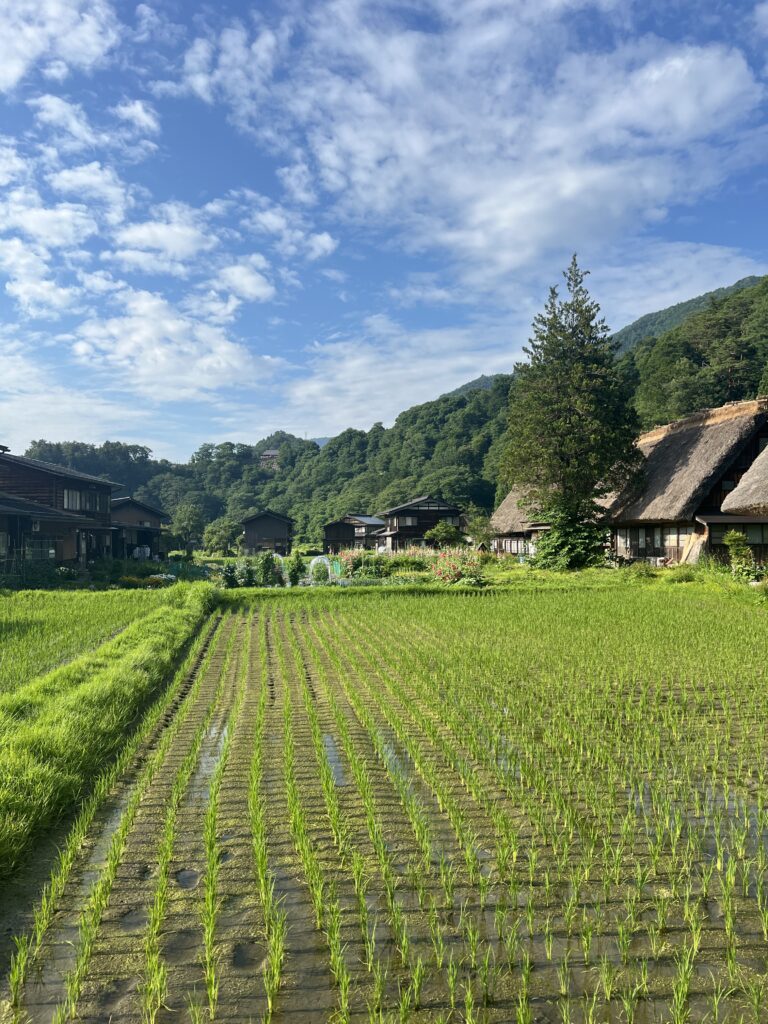
You already know what it looks like. Steep thatched roofs pressed together in a green valley, or buried in snow and glowing at dusk. It’s on the tourism posters for a reason. The gassho-zukuri farmhouses are real, some of them 200 to 250 years old, built with roofs pitched at 45 to 60 degrees so the heaviest snow in Japan slides off instead of caving them in. The village earned its UNESCO World Heritage listing in 1995, and roughly 500 people still actually live there. It is not a theme park. It’s a working village that happens to be gorgeous.
So no, your instinct to visit isn’t wrong. What’s smart is the question underneath it: is it worth a whole day, and will I come home with the same shot as everyone else? Hold onto that question. It’s the right one, and most articles won’t answer it honestly because the honest answer costs them a click. Let’s go through the parts that actually decide it.
Getting From Takayama to Shirakawa-go: Your Real Options
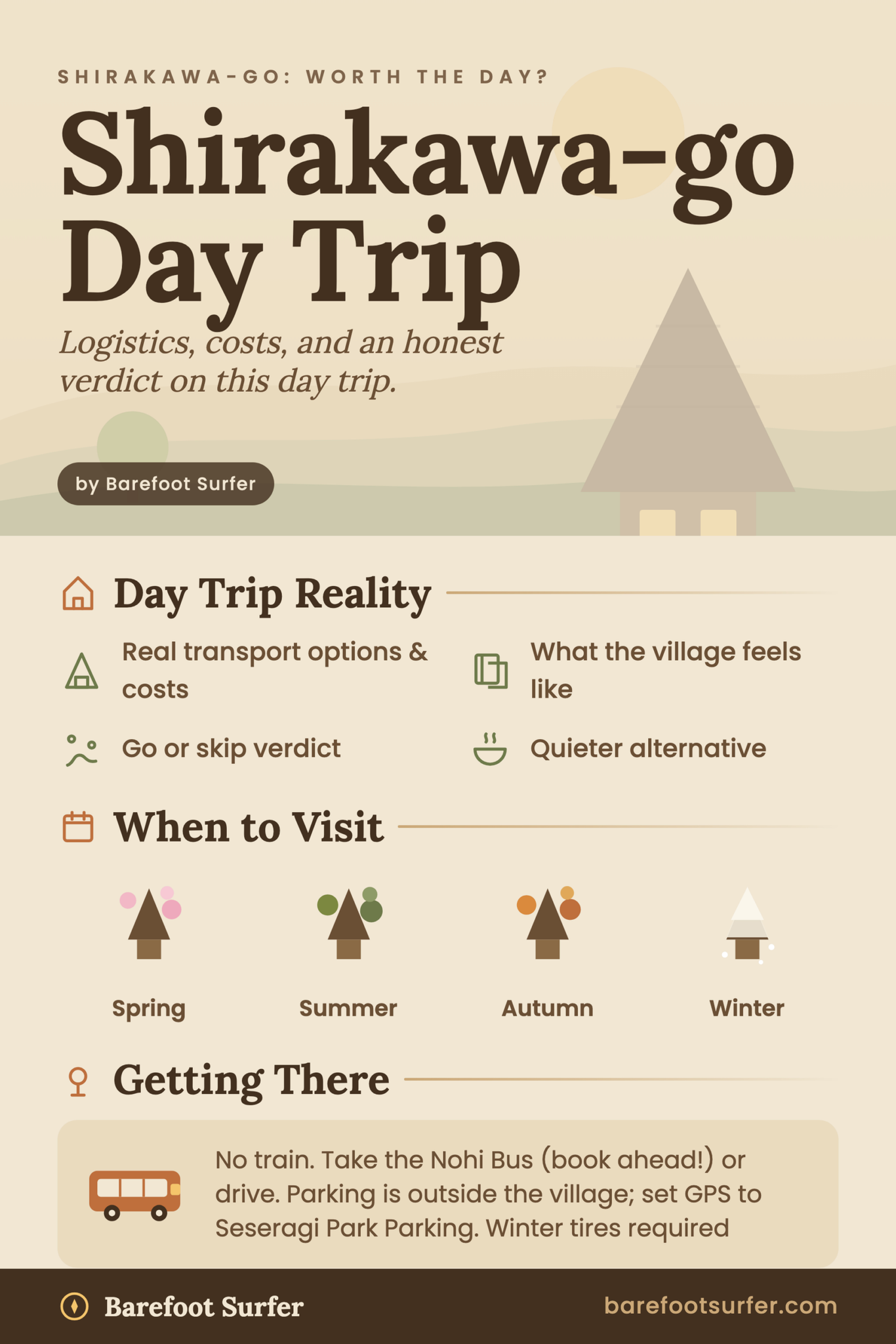
There’s no train. Your two real choices are the Nohi Bus or a rental car, and they suit very different travelers. The distance is only about 50 km, roughly 50 minutes either way, so the transport itself is not the hard part. The booking and the timing are where people trip up.
The Nohi Bus: What You Need to Know Before You Book
The bus ride from Takayama to Shirakawa-go takes about 50 minutes and costs roughly ¥2,600 one way. It leaves from the Takayama Nohi Bus Center, which sits directly beside JR Takayama Station, about a two-minute walk, and drops you at Shirakawago Bus Terminal. From there it’s a 5 to 10 minute walk across the Deai suspension bridge into the village itself.
If you are traveling to Toyama, Shirakawago also connects by bus to Takaoka City, Toyama as an alternative or next destination after Takayama.
Here’s the part the generic guides bury. Not every departure is the same kind of ticket. Some Nohi departures are reserved-seat (marked “R” on their timetable) and some are non-reserved. On a quiet weekday in spring you can often just show up and buy a seat. On an autumn-foliage weekend, or anytime near the winter light-up, the reserved buses fill and you can genuinely get stranded watching a full bus pull away. Reservations open one calendar month ahead (the same date of the prior month) through the Nohi Bus website or Japan Bus Online, which has an English version. If your dates land in October, November, or the winter light-up window, book the moment your window opens. It’s free peace of mind and it removes the single most common way this day goes sideways.
And buy your return ticket at the same time, because the Shirakawago terminal window gets a real queue in the afternoon when everyone leaves at once.
Let me tell you exactly how this goes wrong, because it happened to me. Last time I did this run I had my little brother Yuma with me, who speaks zero Japanese. We get to the Shirakawago terminal in summer, look at the departure board, and most of the tickets for the next couple of buses are already gone. So we’ve got a choice: pay for a reserved seat, or gamble on unreserved. I look at him and go, “You wanna take a little gamble? I’m an adventure traveler, let’s have some fun.” We wing it. We go for the second-to-last bus, unreserved. It fills up before we get on. Now we’re stuck waiting for the last bus of the day, standing first in line outside in the heat, just hoping enough people don’t show. It worked out. It also did not need to be that stressful.
So here’s the rule, and I mean it: if you’re on any kind of schedule, book a reserved Shirakawa-go ticket well ahead. Do not assume you’ll walk out of the village, stroll back to the terminal, and step onto the next bus. That place is busy and the buses genuinely sell out. Gamble only if your afternoon is truly open and you’re the kind of person who thinks a two-hour wait in the sun is a funny story later.
Driving Yourself: Is it Worth the Freedom (and Hassle)?
If you’re already renting a car for the Hida region, driving is the same ~50 minutes via the Tokai-Hokuriku Expressway and gives you total control of your timing, which matters more here than almost anywhere. But rural Japan has its own rules, and Shirakawa-go has a few that surprise people.
You cannot drive into the village. You park at the village-run Seseragi Park Parking, a flat day rate that has sat around ¥1,000 but has been creeping up (recent visitors report closer to ¥2,000, so verify at the gate). That fee isn’t really parking. The village charges it in place of an admission fee, and it funds the conservation of the roofs. Then you walk in over the suspension bridge, same as the bus crowd.
Two things nobody tells you until you’re stuck:
- The car park closes at 5:00 pm and the whole village shuts to tourists then. Residents draw a hard line between life hours and tourism hours, and I respect that. Plan to be walking out by 4:30.
- Your car’s navigation will try to route you through the village, which isn’t allowed. Set your destination specifically to “Seseragi Park Parking,” not just “Shirakawa-go,” or you’ll get sent down a road you can’t use.
On a genuinely busy day, the village’s own congestion forecast warns of two-hour-plus waits just to enter the parking lot. When Seseragi fills, they divert you to the Terao overflow lot with a free shuttle every ten minutes or so. It works, but a two-hour queue is two hours of your precious day gone before you’ve seen a single roof. And if you’re driving between early December and the end of March, winter tires are legally required. This is deep snow country and the rentals in the region come fitted for it, but confirm it, and don’t attempt these roads on summer tires to save a few yen.
[INTERNAL LINK PLACEHOLDER: Renting a Car in Japan guide, once published]
Shirakawa-go Day Trip Reality: Expectation vs. What You’ll Actually Experience
Here’s the honest part, and it starts the second you step off the bus. The Shirakawago terminal is chaos in peak season. My instinct the first time was to bolt straight into the village and start exploring. Do the opposite. The first thing you do when you arrive is walk to the ticket board and sort your way out. Check the return times, see what’s already sold out, and decide your exit before you go looking at a single roof. I’ve watched that board show the next few buses gone before noon. Get that handled, breathe, then enjoy the place.
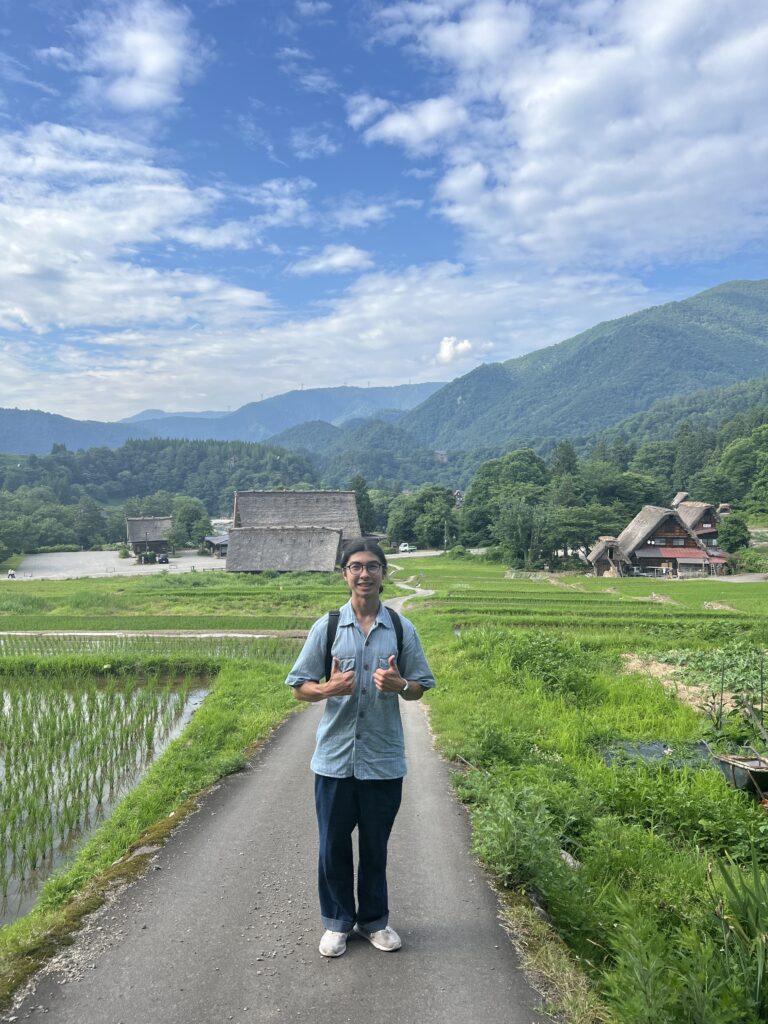
Because the place itself is popular in a way the poster deliberately hides. The famous panorama, the one you’re picturing, is taken from the Shiroyama viewpoint (the Ogimachi Castle ruins observation deck) on the hillside. You cannot drive up. It’s a roughly 600-meter uphill walk, or a ¥300 each-way shuttle from near the bus terminal. In peak season that viewpoint is a polite scrum of people all angling for the identical shot. The village asks for about 2 to 3 hours, which is genuinely all most people need to walk the main lane, step inside one or two of the old houses like Wada-ke or Kanda-ke, and eat.
None of that makes it bad. It makes it busy, and busy has a texture the photos edit out. The whole game is timing. Take the first bus in, or go late afternoon after the coach tours pull out. The day-trip coaches from Kanazawa and Nagoya cluster hard between about 10 am and 2 pm. Land outside that window and you get a genuinely different village, quiet lanes, space at the viewpoint, residents going about their day. Land inside it and you get the crowd the brochure never shows you.
The “Worth It” Verdict: Who Should Go, and Who Should Consider a Different Day
Is Shirakawa-go worth a day trip from Takayama? It’s worth half a day, not a full one, and only if you control the timing. Go for the specific iconic image and the genuinely remarkable architecture, take the first or last bus to dodge the coach crush, and treat it as one stop rather than the whole day. If your plan is to arrive mid-morning and wander at noon in peak season, you’ll spend a precious day queuing for a photo everyone else already has.
Let me put it in your terms. Your real fear isn’t the money, it’s wasting an irreplaceable day and coming home with the exact same carousel as every coworker who did the golden route. Shirakawa-go, done at the wrong hour, is the single most likely place on your itinerary to trigger both. Done at the right hour, it’s a stunning two hours. So the verdict splits cleanly:
- Go if the postcard image is a genuine bucket-list item for you and you’ll commit to an early or late arrival. Pair it with the alternative below and you’ve got a full, unforgettable day.
- Reconsider if what you’re actually chasing is the feeling of old rural Japan, quiet, lived-in, yours. Because there’s a version of that feeling 40 minutes up the road with a fraction of the people, and I’d bet my morning coffee it’s the day you’ll talk about for years.
Whichever way you lean, you’ll want a solid base in Takayama itself. If you haven’t locked that in, my full Takayama city guide breaks down where to stay and what’s actually worth your time there.
Ready to book your Takayama stay, whatever you decide about Shirakawa-go? Lock in your Takayama hotel on Booking.com now while the good machiya and ryokan near the old town are still open. Most have free cancellation until about a week out, so booking early costs you nothing and takes the “will we even have a room” stress off the table.
If Shirakawa-go Isn’t For You: Truly Special Alternatives Near Takayama
Here’s the thing most guides won’t tell you, because they don’t actually know the region: the gassho-zukuri villages didn’t stop at Shirakawa-go. They’re clustered across this one mountain fold of central Japan, and the quieter ones sit just over the border in Toyama, in my old prefecture.
Gokayama: the same magic, a fraction of the crowd
Gokayama is two UNESCO-listed villages, Ainokura and Suganuma, listed in the same 1995 designation as Shirakawa-go, sharing the exact same steep-thatched architecture. The difference is scale and silence. No coach queues, no souvenir arcade, no two-hour parking wait.
- Ainokura is the larger and more remote of the two, around 20 gassho houses still lived in year-round, with a proper hilltop viewpoint (a 5 to 10 minute walk up) that gives you the same clustered-roofs-against-mountains panorama you came for. Budget 1 to 1.5 hours.
- Suganuma is tiny, just nine houses beside the Shogawa River, walkable in half an hour, easy on the legs, and often nearly empty.
I’ve walked Ainokura, coming up from the Takaoka side in Toyama, and it’s the one I’d point you to. Same steep thatched roofs you came to Japan to see, and I could actually hear myself think. We spent the visit just wandering the lanes, and I had one of the best lunches of that whole stretch of trip in one of the little village restaurants, then picked up a couple of small souvenirs on the way out. No tour flags, no line for the view. That’s the trade: Shirakawa-go is the bigger name, Gokayama is the one that feels like it’s yours.
Access is the honest catch, and it depends where you’re based. Coming from Takayama or Kanazawa, Shirakawa-go is simply easier to reach, more routes, more buses. Gokayama is easiest from the Toyama side. I’ve taken the bus from Takaoka Station, and it’s painless: you get off the train, head downstairs to the bus area, and there’s a big board showing which platform your bus leaves from (Google Maps will name the platform too, but double-check it on the day, because these things shift). The buses run on time, and even the rural drop-off out near Gokayama has a small covered shelter, so a rainy wait isn’t miserable. That same route continues down to Shirakawa-go, which is why you can genuinely string both together. If you’re already on the Takayama side, the Nohi bus toward Toyama/Takaoka stops at “Gokayama Suganuma” from April through November; from Shirakawa-go, Suganuma is about 30 minutes (¥870) and Ainokura-guchi about 45 minutes. The little museums run about ¥300 to ¥500, and at the Gokayama roadside station you can make your own washi paper for around ¥1,000, a better souvenir than anything on a shop shelf.
For the full breakdown of both villages, which to pick, and where to stay overnight in a gassho house, I wrote a whole Gokayama guide from actually being there. And if you’re weighing the wider region, my Toyama prefecture guide covers what else is worth building a day around up here.
Gujo Hachiman: if you’d rather trade villages for a castle town
Not sold on more thatched roofs? Gujo Hachiman is a different flavor of old Japan entirely, a hillside castle town laced with clear canals and famous for its summer all-night dance. It sits south of Takayama on the Nohi Bus line toward Nagoya, so it slots neatly onto a travel day rather than costing you a dedicated one. Fewer foreign tourists, more everyday Japanese life, and a castle worth the climb.
My honest take, after three years up here: if you have the day, do Shirakawa-go early and Gokayama after. You’ll see the icon before it’s swamped, then spend your afternoon somewhere that feels like it belongs to you. That combination is the day people don’t stop talking about, and it’s the opposite of the same-photo-as-everyone problem you’re rightly worried about.
When you’re ready to plan around it, book your Takayama or Toyama base on Booking.com while rooms in this region are open. It’s a rural pocket with limited good stays, they fill in peak season, and free cancellation means locking it in now is pure upside.
—
Prices, bus schedules, reservation windows, parking fees, and seasonal road rules change, especially the winter light-up reservation system and the Seseragi parking rate. Verify the current Nohi Bus timetable and Shirakawa-go parking/access rules before you lock in your date.